Foundations of the Faith
Course One builds a foundation through the big-picture themes of the Bible: the character of God, the problem of sin, the identity of Jesus, the shape of the Kingdom, and the calling of every believer.

THE CURRICULUM
The core pathway currently includes 66 prepared teaching sessions and 198 hours together, with guest teachers, special studies, and additional formation gatherings woven in along the way.

Course One builds a foundation through the big-picture themes of the Bible: the character of God, the problem of sin, the identity of Jesus, the shape of the Kingdom, and the calling of every believer.
Course Two moves slowly through the Sermon on the Mount, Jesus’ vision for the life of a disciple.
View the entire course, every lesson in depth, get all the details. This is a comprehensive breakdown of our curriculum. If you're looking for more of a bird's-eye view, at a glance, you can go to this page.
Course One
“If Jesus is King, then everything changes.”
Course One builds a Christian worldview from the ground up through the grand narrative of Scripture. You move from the character of God, to the problem of sin, to the identity of Jesus, to the shape of the Kingdom, to the calling and vocation of every believer. This is formation for a whole life with Jesus, the kind of truth meant to become flesh in ordinary days.
MODULE 01
The Apprentice Life
What if church was never meant to be something you simply attend?
This opening night is for anyone who has been around church but still feels like no one ever taught them how to actually become a disciple. Through Jesus’ call to love God with all your heart, soul, mind, and strength, you’ll see that discipleship reaches your affections, thoughts, habits, desires, relationships, and choices. Your whole life is being re-formed around God. This session also introduces biblical theology as one of the foundations of the School of Discipleship: learning to read Scripture as one unified story that leads to Jesus and reshapes how you see everything.
MODULE 02
The King Who Kneels
What if the strongest person in the room is the one willing to serve when no one is watching?
You want to matter. You want to lead, to have influence, to do something significant with your life. That's not a bad instinct. But Jesus has a way of getting underneath it. In John 13, on the night before his crucifixion, the King of the universe kneels down and washes the feet of the man who is about to betray him. This teaching confronts the ego underneath the calling, and it does so gently but without flinching. If you want to do something great for God, it starts here.
Covenant and the Name Above All Names
What kind of God keeps making promises to people who keep breaking theirs?
Most of us inherited a picture of God that's a little too manageable. A distant judge. A cosmic therapist. A divine vending machine. This teaching traces the God who actually shows up in Scripture: the Creator who made humans to partner with him, the covenant-maker who keeps binding himself to people who keep breaking their promises, and the God whose identity comes into full focus through Jesus. If your picture of God has felt too small, too scary, or too vague, this is a good place to start over.
Image of God, Eternal Life, and the Reuniting of Heaven and Earth
What if you were made for more than surviving the week?
Genesis says you were made in the image of God, which is a strange and enormous thing to say about a person. This teaching traces what that actually means: you were made to reflect God's presence into the world, to partner with him in caring for creation, and to live a life that has weight and purpose and direction. You'll also connect that calling to the Bible's vision of eternal life and the hope of heaven and earth reuniting. This is not escape from the world. This is homecoming into it.
MODULE 03
It’s Bigger Than You Think
What if the gospel is bigger than the version of Christianity you inherited?
The version of Christianity most of us inherited goes something like this: Jesus forgives your sins so you can go to heaven when you die. That's true. And it's also only part of the story. Through Galatians and the royal announcement of Jesus in Mark 1, you'll see a gospel that's bigger, stranger, and far more demanding than religious performance. The King has come. A new creation has already begun. And you are invited into something that reaches every square inch of your life.
The One They Were Waiting For
What if Jesus is harder to understand when you start the story at the New Testament?
The word "Christ" shows up so often in church that it stops sounding like it means anything. But it means everything. This teaching traces the promise of a coming Deliverer from the earliest pages of Scripture, through Abraham and David and Daniel's Son of Man, and finally to Jesus. The result is a vision of Jesus that's harder to domesticate: not a religious founder, not a moral teacher who got executed, but the long-awaited King who confronts evil, rescues humanity, and fulfills a story Israel had been carrying for centuries.
Rivers in the Desert
What if Christianity is less about escaping the world and more about God's reign breaking into it?
The Bible has a recurring image: rivers breaking out in desert places, water flowing into barren ground, life coming where there was only thirst. This teaching follows that image from Ezekiel to Jesus to Revelation, connecting it to the gospel of the Kingdom. Jesus is not just offering you a ticket out of the world. He's announcing that God's reign is breaking into it, and that the dry and thirsty places in your life are exactly where that living water is meant to flow.
MODULE 04
The Name of the Problem
What if the problem with us runs deeper than our worst decisions?
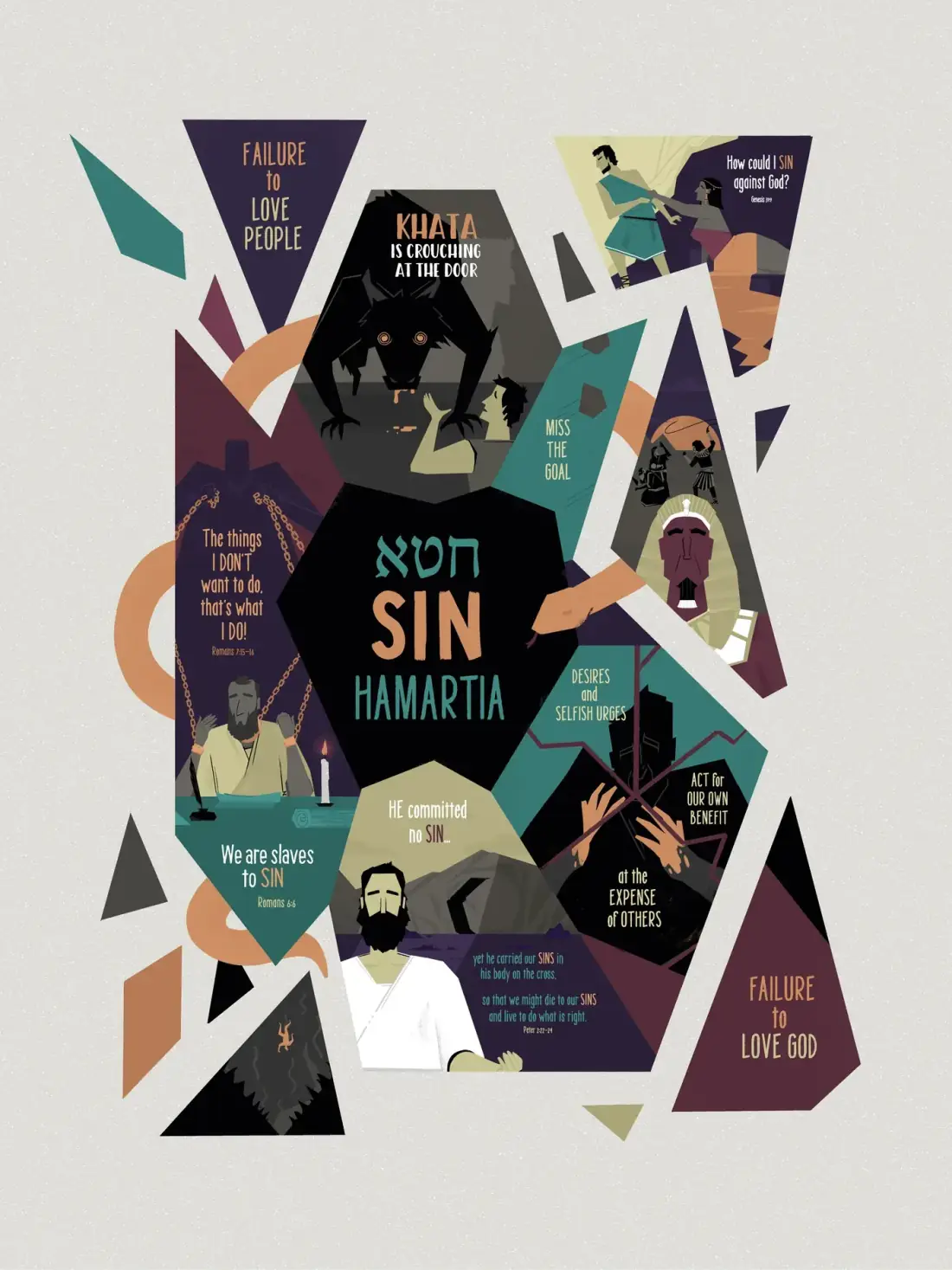
Sin gets talked about in two unhelpful ways: as a list of behaviors to avoid, or as a vague cloud of guilt you can't quite shake. Scripture gives you something more precise and, in a strange way, more hopeful. This teaching looks at sin as a deep fracture in the human condition, something that breaks your relationship with God, with others, with creation, and even with yourself. Naming it clearly is not meant to make you feel worse. It's meant to show you exactly why Jesus came, and why the rescue he offers is as large as the problem.
Grace and What the Cross Actually Cost
What if the cross feels familiar because you've never really sat with what it cost?
The cross is probably the most familiar image in Christianity, and it's also the one most of us have never really sat with. This teaching asks what the cup was that Jesus prayed to avoid in Gethsemane, what wrath actually is and isn't, and why grace strong enough to matter has to be strong enough to absorb something real. You'll see a God whose love takes evil seriously enough to confront it, and whose mercy is as costly as it is complete.
Bad Words of the Bible
What if the Bible has better words for what is broken in us than “I messed up”?
Scripture gives us a richer vocabulary for sin than vague guilt or generic failure. Through the Hebrew ideas of sin, iniquity, and transgression, this teaching looks at missing the mark, violating relationship, and the twisted consequences of choosing ourselves over God and others. The goal is not to make the problem feel heavier for its own sake, but to make grace feel as specific and stunning as it really is.
MODULE 05
Hope For The Doubting Christian
What if your questions are not the end of faith, but the place where honesty begins?
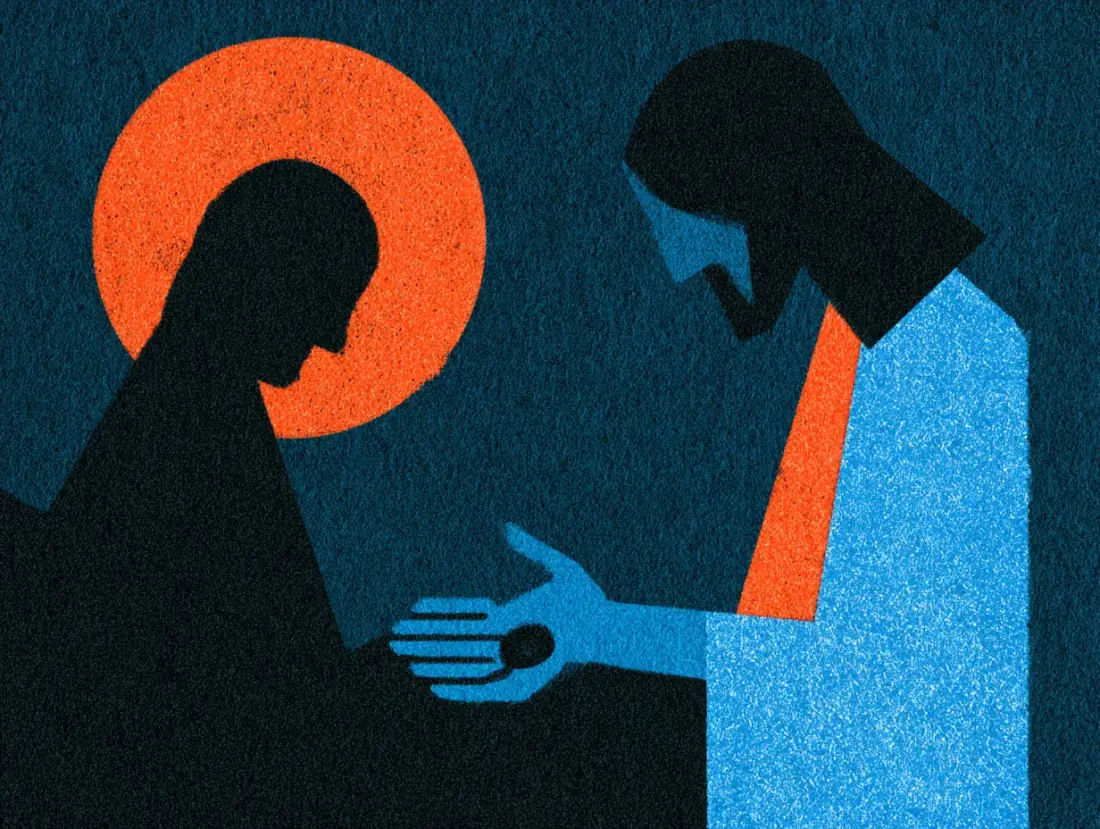
Maybe you've been told that good Christians don't doubt. Maybe you've been carrying questions you're afraid to say out loud. Thomas gets called "Doubting Thomas" like it's a mark of shame, but look at what Jesus actually does when Thomas shows up. He doesn't shame him. He shows him his wounds. He invites him to touch the evidence. And then he calls him forward, from doubt into deeper trust. This teaching gives you a better way to wrestle with hard questions: not by suppressing them, but by bringing them honestly into the presence of a Savior who is not afraid of them.
How to Walk with Someone Losing Their Faith
What do you say when someone you love is losing faith and clichés are not enough?
You probably know someone who is losing their faith, or at least losing the version of faith they grew up with. And if you've sat with that person, you know how quickly the religious clichés run out. This teaching is about developing the kind of presence that can stay in the room with someone in spiritual crisis without panicking, without retreating into talking points, and without pretending the pain isn't real. Doubt is usually rooted in wounds, not arrogance. Learning to listen like that is one of the most important things a disciple can do.
Spiritual Beings, Elohim, and the Divine Council
What if the world is stranger than modern life has trained you to believe?
The Bible is stranger than modern life has trained you to expect. Spiritual beings, heavenly councils, elohim, cherubim, unseen powers: these are not the weird parts you're supposed to skip. They are part of the Bible's actual picture of reality, a world where heaven and earth are overlapping dimensions, not separate locations. This teaching gives you a bigger biblical imagination, one that helps you read Scripture on its own terms and understand why Jesus is the answer not just to human rebellion, but to something much older and larger.
Angels, Demons, Satan, and the Angel of the Lord
What if taking the unseen world seriously could make you steadier, wiser, and less afraid?
Most of us have categories for angels and demons that were shaped by horror movies and vague church language rather than Scripture. This teaching traces the Bible's portrait of rebellious spiritual powers, the strange figure of the Angel of the Lord, and the role of Satan and demons in the larger story. The goal is not to make you fearful or obsessed with spiritual warfare. It's to make you steadier, clearer, and less easily rattled, because you understand that the victory has already been won.
MODULE 06
Jonah and the Scandal of Mercy
What if grace feels beautiful until it reaches someone you resent?
Grace sounds beautiful until God offers it to someone you resent. That's the story of Jonah: a prophet who would rather drown, run, or die than watch God show mercy to the people he hated. The book of Jonah is funny, sharp, and completely relentless about exposing the part of us that wants forgiveness for ourselves and fire for everyone else. Jesus' Kingdom asks something harder: whether you are willing to become the kind of person who loves like the God who loved you while you were still an enemy.
Reclaiming the Biblical Meaning of Mishpat
What if justice starts long before a protest, a policy, or an argument online?
Justice gets weaponized constantly. It becomes a talking point, a rallying cry, a way to signal which team you're on. The biblical vision of justice is older and stranger than any of that. Through Micah 6:8, this teaching recovers mishpat and hesed: justice that gives people what they're owed as image-bearers, and mercy that flows from covenant faithfulness. Biblical justice doesn't start with policies or protests. It starts with a posture of humility and a way of seeing people that comes directly from the character of God.
Justice and Generosity
What if your spending, saving, and sharing are shaping the person you're becoming?
The Kingdom of God has an economy, and it runs opposite to the one you've been formed by. This teaching traces the Bible's themes of justice, generosity, and upside-down authority through the story of Scripture. God is the generous host who provides for his world. Humans are the ones who learned to hoard what was meant to be shared. In the Kingdom, true authority is expressed through love for the last and the least. Generosity becomes a practice that trains you to trust God's abundance and join his care for the vulnerable.
Resistance and Belonging
What if your exhaustion is trying to tell you something about what owns you?
You were not made to be this tired. Sabbath and holiness are two of Scripture’s ancient answers to a world that trains you to be always available, always producing, and always performing. Sabbath teaches you to stop because God is God and you are not. Holiness teaches you that you belong to him. Together, they form a life of rest, resistance, worship, and freedom.
MODULE 07
Law, Sacrifice, and Atonement
What if the Old Testament parts you skip are the parts that explain why we feel so far from home?
If you've ever skipped the parts of the Old Testament about Law and sacrifice and blood and atonement, this is the night to stop skipping. These are not the boring parts before the New Testament finally starts. They are the parts that explain why forgiveness costs something, why sin can't just be overlooked, and why the exile from Eden has been the deepest problem underneath every human story. The cross makes more sense than it ever did before once you've understood why atonement had to cost what it cost.
Exile, the Temple, and the God Who Moves
What if feeling out of place is one of the Bible's oldest truths about us?
That feeling of being out of place, of not fully belonging to the world around you, is one of the Bible's oldest and most honest truths about what it means to be human. This teaching traces exile from Eden to Babylon and sees Israel's displacement as a picture of something deeper: humanity's homesickness for a world that isn't broken. You'll also explore the Temple as the place where God's space and human space overlap, and why Jesus is the one who opens the way home until all creation becomes God's dwelling place again.
Daniel and the Danger of Private Faith
What if your faith slowly weakens every time you learn to hide it?
Daniel served in the most powerful empire of his day with excellence, character, and cultural intelligence. He didn't withdraw from Babylon, and he wasn't absorbed by it either. But when prayer became dangerous, he refused to hide the practice that had formed him. This teaching confronts the version of faith that learns to stay quiet when it gets costly, and asks a simple question: does the way you live in public actually match the person you are in private?
MODULE 08
Hear, O Israel
What if hearing God has more to do with attention than volume?
"Hear, O Israel." The most important prayer in the Jewish faith begins with a command to listen. But in Hebrew, listening is never passive. It means paying attention, receiving God's word into your life, and responding with trust and obedience. This teaching traces the Shema from Deuteronomy through the rest of Scripture, and asks a real question about your life: are you practicing attention, or are you just reacting to whatever is loudest? Hearing God is not a mystical trick. It is the basic posture of a disciple.
Heart, Soul, and Strength
What would change if God was not asking for a spiritual corner of your life, but all of you?
The Shema calls you to love God with heart, soul, and strength, which means more than private feelings or religious moments. Your heart is your thoughts, desires, and choices. Your soul is your whole living self. Your strength includes your time, resources, energy, and capacity. This teaching asks what it would look like to stop giving God a managed slice of your life and start responding to his love with every part of you.
Learning to Hear
How do you tell the difference between God's voice, your anxiety, and what you already wanted to hear?
Most people want to hear from God. Most people are also terrified of getting it wrong, of confusing their own anxiety or ambition for a divine word. This teaching gives you a grounded biblical framework for discernment: God speaks through Scripture, through prayer, through the Spirit, through wise community, through circumstances, and through the ordinary places where attentive disciples learn to pay attention. The goal is not mystical certainty. The goal is becoming the kind of person who is close enough to Jesus to recognize his voice.
The Most Unlikely Yes
What if waiting to "find your calling" is keeping you from taking your next faithful step?
Gideon is hiding in a winepress when the angel finds him. That's not an accident. God has a habit of calling the most unlikely people, at the most unexpected moments, into things they feel completely unqualified for. This teaching moves through Gideon, Moses, Paul's language of the upward call, and a piece of Aaron's own testimony. Calling is not reserved for pastors, missionaries, and platform people. Every disciple has one. The question is whether you are willing to let go of what you've been holding in order to take hold of what Jesus is offering.
MODULE 09
Compassion, Grace, and the Long Patience of YHWH
What if your picture of God has been shaped more by pain than by God himself?
In Exodus 34, God does something unusual: he reveals his own character. Compassionate. Gracious. Slow to anger. That description is not marketing. It's God telling the truth about himself to a people who had just melted down a golden calf and thrown a party around it. This teaching is for anyone whose picture of God has been shaped more by wounds and fear and disappointment than by what God actually says about himself. It is a chance to let Scripture correct the picture, and to see that the God revealed in Jesus is one you can actually draw near to.
Hesed, Faithfulness, and the God Who Keeps Every Promise
What if God's love is steadier than your mood, your record, or your worst week?
Hesed is one of the most important words in the Old Testament, and it doesn't translate cleanly into English. Loyal love. Steadfast mercy. Covenant faithfulness. It describes a God whose commitment to his people is grounded in his own character, not their performance. This teaching traces hesed through the biblical story, from Exodus 34 to Lamentations to Jesus, and asks a question worth sitting with: what would change in you if you actually believed that God's love was this steady?
MODULE 10
Every Christian Is a Priest
What if your ordinary life is one of the places God wants to meet the world?
The Bible begins with humans placed in a garden as royal priests, called to reflect God's presence into the world and bring the world back to God. That calling didn't start with the church. It started with creation. This teaching traces the priesthood from Eden through Abraham, Moses, David, Israel's failures, and finally to Jesus, the true Royal Priest who restores what humanity lost. It ends with a claim worth letting sink in: that calling is yours, right now, wherever you live and work and love and exist.
Priests in the World
What if you were never meant to be rescued and then left without a role to play?
If you are in Christ, you have direct access to God and a priestly vocation in the world. That means something concrete. Priests point others toward God. They intercede. They fight injustice. They care for the weak. They make their lives a living sacrifice. This teaching moves from the theology of priesthood to the actual practice of it: your workplace, your friendships, your neighborhood, your family as places where you can mediate God's presence, one faithful interaction at a time. You were never just rescued. You were recruited.
MODULE 11
Sent by Jesus, Empowered by the Spirit
What if talking about Jesus could feel less like performing and more like telling the truth?
A witness is not someone with perfect arguments or a flawless life. A witness is someone who has seen something and tells the truth about it. That's the biblical picture of evangelism, and it's much less intimidating than the version most of us were handed. This teaching traces the theme of witness through Scripture, from Israel's calling to the sending of the Spirit in Acts, and recasts what it might look like to talk about Jesus in a way that feels like honesty rather than performance.
God’s Tests and the Mission He’s Preparing You For
What if the season you want to escape is forming something you will need later?
Scripture repeatedly shows God forming people through testing before sending them into mission: Eden, Abraham, Israel in the wilderness, and Jesus in the desert. This teaching reframes difficulty not as proof that God is absent, but as a place where trust, endurance, and faithfulness can be formed. The wilderness is not the end of the story. Sometimes it is the curriculum God uses before the calling becomes clear.
Walking in Jesus’ Famous Last Words
What if the last thing Jesus told his followers was meant for ordinary people like you?
The Great Commission was given to ordinary people who had just watched their leader be executed and then walked out of his tomb. They were not professionals. They were not polished. They were witnesses. This teaching rebuilds evangelism from the ground up around honesty, courage, compassion, and Spirit-empowered presence. You don't have to become someone you're not. You do have to become someone willing to say what Jesus has done, and invite others into the same life.
MODULE 12
Judas, Peter, and What We Do With Our Shame
What if failure becomes most dangerous when shame gets to write the ending?
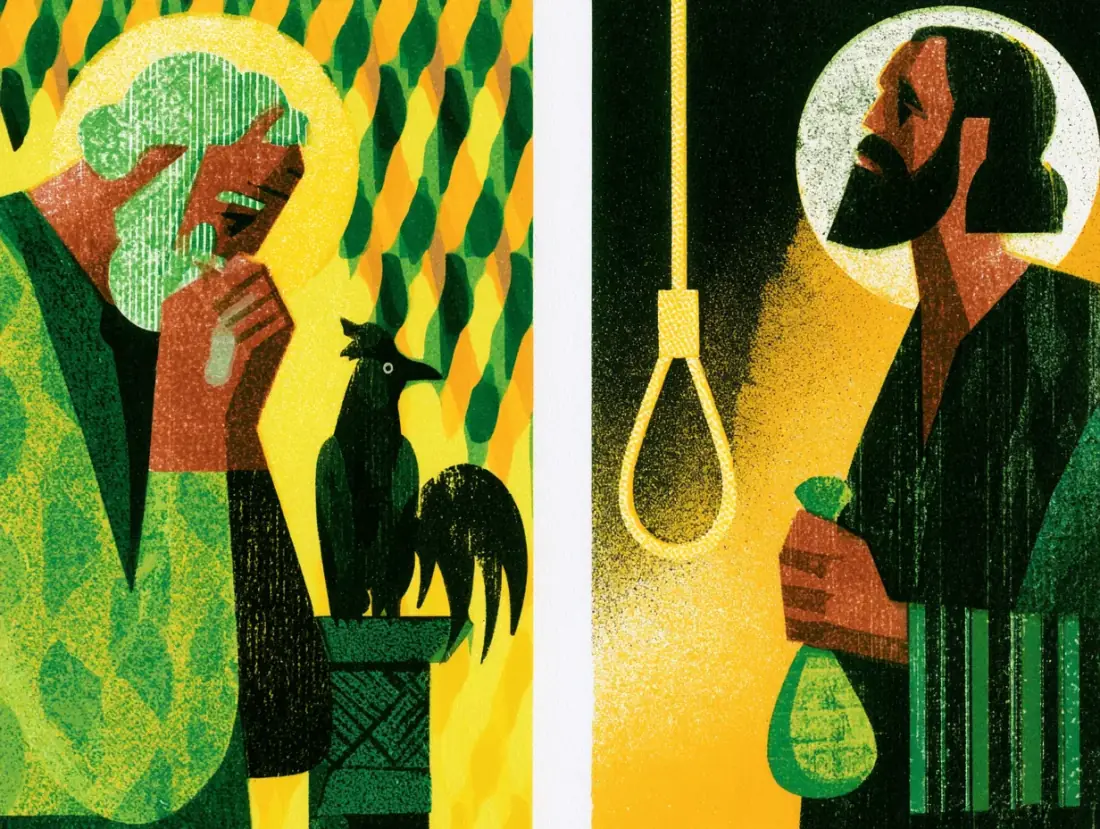
Judas and Peter both betrayed Jesus. Both felt the crushing weight of what they had done. Both had to decide where to go with that shame. One story ends in isolation and despair. The other ends at a breakfast fire on the beach, with mercy and a second commission. This teaching sits honestly with failure and asks a question that's not rhetorical: when you fail, where do you take it? Shame has a way of writing endings that Jesus refuses to sign off on.
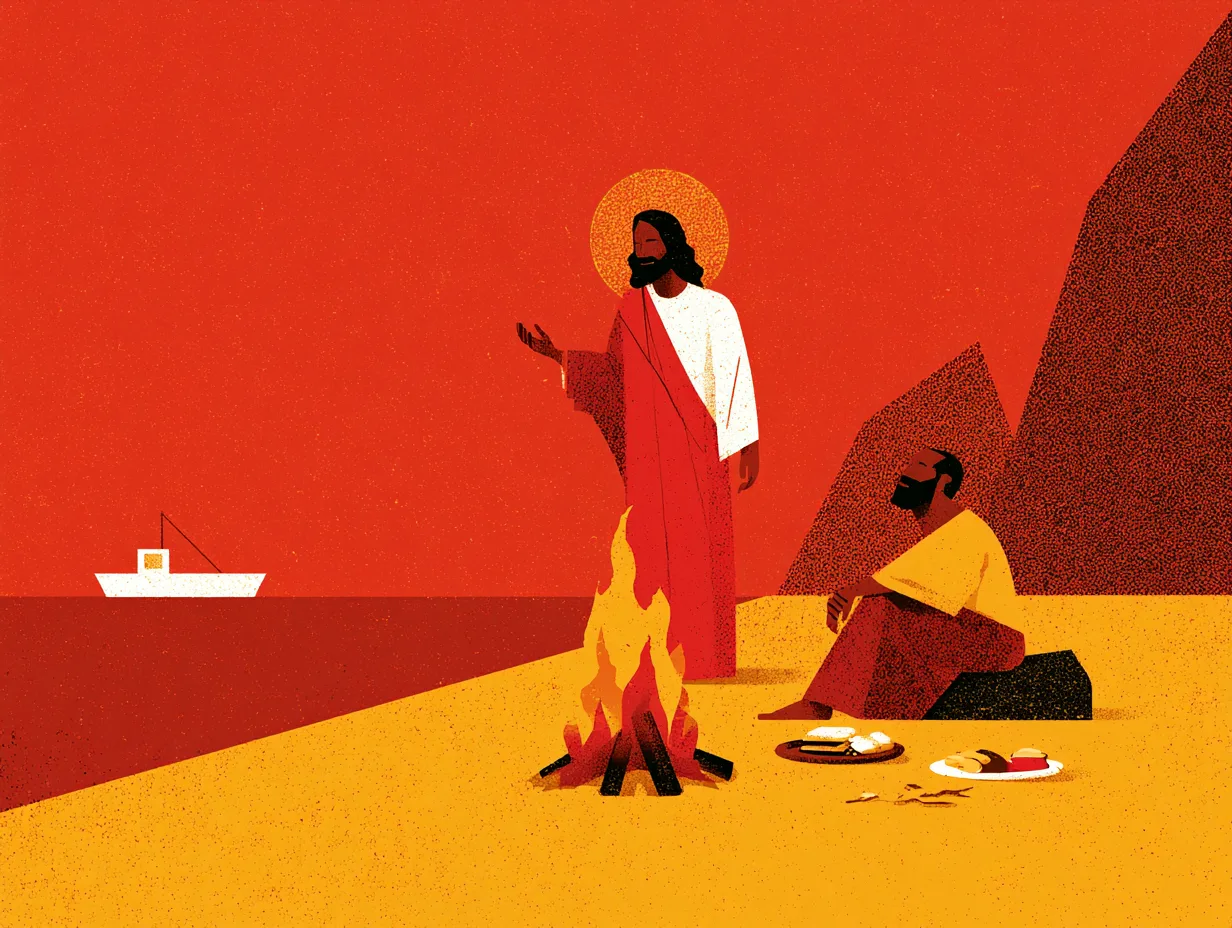
Peter, Breakfast on the Shore, and the God Who Restores Failures
What if you are more ready to write yourself off than Jesus is?
In John 21, Jesus recreates Peter's first fishing miracle, cooks breakfast for the disciples who abandoned him, and asks Peter three times if he loves him: one question for each denial. Not to wound him. To answer him. This is the last session of Course One, and it ends here on purpose: not with a call to try harder, not with a challenge to do more, but with the God who restores failures and sends them back into the mission. You are more ready to write yourself off than Jesus is. That is the scandal of grace.
Course Two
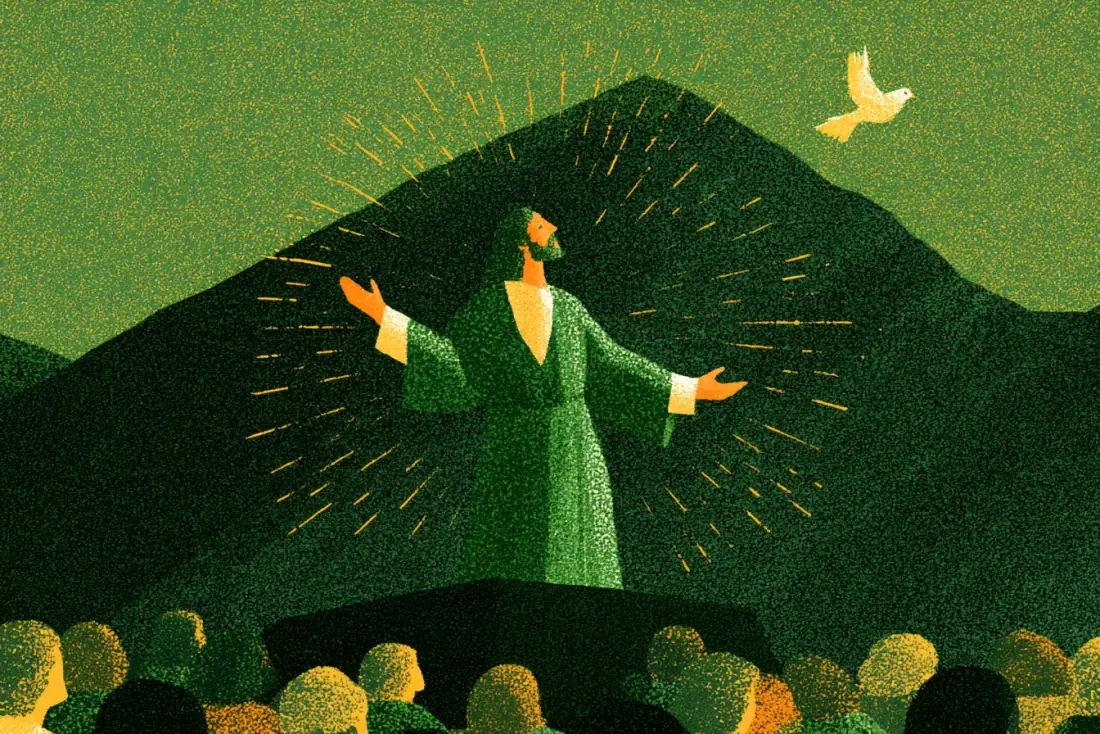
“What kind of human does Jesus call blessed?”
An extended, unhurried journey through Matthew 5–7. The goal is not merely to understand the Sermon on the Mount, but to become the kind of person Jesus describes.
MODULE 01
Blessed When You Are Running on Empty
What if running on empty is exactly where Jesus begins?
Jesus opens his most famous sermon by blessing the people nobody in the crowd would have expected: not the impressive, not the spiritually confident, not the ones holding it together. The ones who know they're running on empty. Poverty of spirit is not a spiritual achievement. It is the honest place where you stop pretending you have enough strength, goodness, or control to save yourself. Jesus says the Kingdom belongs to people who know they need it. That's not where the blessed life ends. It's where it begins.
The Grief That Opens Us to Comfort
What happens to your pain when you never give yourself permission to grieve it?
Jesus blesses those who mourn because grief can become the place where your soul stops pretending. There is something in John 11 worth sitting with: Jesus knows Lazarus is about to be raised. He knows the story ends with resurrection. And he still weeps. He doesn't stand far off from human sorrow and manage it from a distance. He enters it. This teaching holds space for the grief you may have never given yourself permission to feel, and points you toward the comfort of a God who is not threatened by your pain.
Power Surrendered to God
What do you bring to Jesus when you feel powerful one day and powerless the next?
Meekness is not the same thing as weakness, and Jesus is not calling you to be a pushover. The meek in Scripture are people who have power and place it under God's authority. But the promise, that the meek will inherit the earth, also speaks to people who feel overlooked, small, forgotten, and unable to make the outcome go their way. This teaching holds both of those realities together. You can bring your strength to Jesus, and you can bring your powerlessness. Both are welcome at the Beatitudes.
Enter by the Door of Righteousness
What if your deepest ache is not just to be better, but to finally be right with God?
Hunger and thirst are not polite metaphors in the ancient world. They are survival language. Jesus is not describing people who think righteousness would be nice. He's describing people who ache for the brokenness of the world to be made right, who carry the private weight of wondering whether they are right with God. This teaching reframes righteousness as right relationship: with God, with others, with a world Jesus intends to restore. Stop climbing the mountain of self-justification. There's a door. And it's already open.
MODULE 02
The Mercy You Receive Becomes the Mercy You Give
Can a person receive mercy deeply and still remain harsh?
Mercy is hard. Receiving it requires admitting you needed it. Giving it requires letting someone off a hook you think they deserve to stay on. This teaching explores why mercy is genuinely costly, and why people who have truly received it tend to become people who give it. You can't receive grace deeply and remain harsh. Something has to change. The Beatitudes are not a checklist. They are a portrait of what grace does to a person over time.
The Undivided Life
Who are you when no one is watching?
Purity goes much deeper than behavior management. Jesus is not just talking about what you do. He's talking about who you are when no one is watching, when there's no audience and no applause. The pure in heart are people whose inner life is not divided: the same person in public as in private, the same person in the light as in the dark. This teaching asks what it would mean for a divided heart to become whole, and what you might have to stop feeding in order to finally see clearly.
Becoming Warriors of Peace
In a world addicted to outrage, who still knows how to heal a rupture?
Jesus blesses peacemakers, not because they avoid conflict, but because they step into it with the heart of the Father. This teaching names the way online arguments, media outrage, political tribalism, and public performance train us to see people as enemies instead of image-bearers. You will learn why peacemaking means holding truth and love together, refusing to throw stones from a distance, and becoming the kind of person who fights for people instead of against them.
When Faithfulness Costs You
Do we still know the difference between inconvenience and persecution?
Jesus blesses those who are persecuted for righteousness, and then the Sermon slows down to ask what persecution actually is. This teaching confronts the American habit of dressing up inconvenience as martyrdom, and it does so with gentleness and directness in equal measure. Real persecution has a cost. Real witnesses have a bloodline. This teaching honors that weight, recovers what it means to be a sent missionary rather than an entitled victim, and asks you to consider what faithfulness actually looks like when it costs you something.
Freedom, Fear, and the Real Enemy
How much of your life is being ruled by fear disguised as wisdom, caution, or common sense?
This second persecution teaching moves from external opposition to the deeper enemies that keep disciples silent: fear, comfort, distraction, cultural Christianity, and the need to be liked. You will trace Jesus’ own path through rejection, the costly witness of the apostles, and the difference between Christendom’s hunger for control and the Kingdom’s call to surrender. The goal is not paranoia about suffering, but courage to follow the crucified King when comfort is no longer in charge.
The Shape of the Blessed Life
What if the Beatitudes are one portrait of a transformed soul?
The Beatitudes are not eight unrelated sayings stacked on top of each other. They are one x-ray of a transformed soul. This recap night gathers the blessings back together so the deeper pattern becomes visible: the person Jesus is describing as blessed is a portrait, a whole way of being human that starts with poverty of spirit and works its way out through mercy, purity, peacemaking, and faithfulness under fire. Before the Sermon goes further, this teaching asks: do you recognize yourself in any of this? Is it beginning to take shape in you?
MODULE 03
Visible Faith in a Dark World
If your faith vanished from your relationships and habits, what would actually change?
Jesus doesn't call his disciples to be impressive. He calls them to be useful. Salt preserves, seasons, and exposes. Light reveals what's already there. Both images are about presence, about what happens to the world around you simply because you are in it. This teaching asks a simple and uncomfortable question: if your faith vanished from your relationships, your habits, your school, your workplace, what would actually change? The answer to that question tells you a lot about how much of you is actually following Jesus.
What Fulfill Actually Means
What kind of person says the ancient law is fulfilled in him and is somehow telling the truth?
Jesus makes one of the most audacious claims in human history when he says he came not to abolish the Law and the Prophets but to fulfill them. This teaching takes that claim seriously and traces what "fulfill" actually means. The Old Testament is not background noise, and Jesus didn't come to cancel it. He came as its fulfillment. Once you see that, the entire Bible starts to feel like one long story building toward a single moment, and that moment is a person.
MODULE 04
The Spirit Who Forms the Sermon in Us
How do you keep the Sermon on the Mount from becoming a crushing list of impossible expectations?
At some point in reading the Sermon on the Mount, most people start to feel the weight of it. It's a lot. High. Demanding. Almost impossible. This formation night exists to re-center you before you get buried. The Sermon is not a new law. It's a portrait of the life the Spirit forms in people who belong to Jesus. You are not reading a checklist. You are reading a description of what grace is making you into. Galatians and the Fruit of the Spirit are the key. The Sermon is the destination. Grace is the vehicle.
When Faith Gets Rebuilt
What do you do when the floor that held your faith starts cracking under your feet?
Deconstruction is not a trend when it is happening inside someone you love, or inside you. This workshop names doubt honestly without romanticizing it, helping you discern what needs to collapse, what needs to be rebuilt, and how to keep Jesus at the center when old categories stop working. It also gives you pastoral tools for walking with people in spiritual crisis without panic, clichés, or shallow answers.
MODULE 05
Anger, Contempt, and the Violence Beneath the Surface
What if the violence Jesus warns about begins long before anyone bleeds?
Jesus traces murder back to the hidden roots of anger, contempt, hatred, and dehumanization. This teaching exposes the slow burn of bitterness, the way rage can feel righteous while poisoning the soul, and the danger of treating people as enemies instead of image-bearers. You will confront the kind of anger that turns people into targets, and you will be called to guard tenderness, reject contempt, and seek reconciliation before bitterness finishes its work.
Desire, Objectification, and the Fight for a Whole Heart
What happens to your soul when desire teaches you to see people as objects instead of image-bearers?
Jesus refuses to treat hidden lust as harmless because lust does not stay hidden. It trains your imagination, distorts your view of people, and turns sacred image-bearers into things to consume. This teaching faces lust, pornography, objectification, shame, confession, and accountability without turning into a shame session. The goal is not purity-culture fear, but Spirit-formed freedom: a whole heart that can honor people as sacred.
Truthfulness in a World of Spin
What would change if your words carried enough weight without spin, exaggeration, or spiritual name-dropping?
Jesus’ teaching on oaths exposes a world where speech is used to manage image, escape responsibility, sound spiritual, or make half-truths feel trustworthy. This teaching presses into the gap between what you say and who you are becoming. In a culture of branding, vague promises, and carefully edited impressions, Jesus calls you to become the kind of person whose simple yes or no can be trusted.
MODULE 06
Holy Defiance Without Revenge
What if refusing to hit back is not weakness, but a deeper kind of strength?
Jesus’ command to turn the other cheek is not passive defeat, and it is not pretending evil does not matter. It is holy defiance: refusing to let insult, shame, cruelty, or revenge define your worth or dictate your next move. This teaching explores the cultural force of Jesus’ words and the cross-shaped freedom of absorbing evil without becoming evil in return.
The Strange Freedom of Refusing Revenge
What if the person you call free is still being controlled by the need to get even?
Jesus’ commands to give the coat, walk the extra mile, and love your enemies are not passive niceness. They are creative, costly, cross-shaped resistance. This teaching shows how enemy love breaks the cycle of retaliation, refuses to let evil set the terms, and forms you into someone who resembles the Father who sends rain on the just and the unjust.
Enemy Love and the God of the Old Testament
What sort of honesty does faith require when Scripture itself unsettles you?
Some passages in the Bible are genuinely hard: Joshua and the conquest, Saul and the Amalekites, judgment, warfare, and texts that seem difficult to reconcile with the God revealed in Jesus. This workshop does not rush toward easy answers. It gives you better tools for reading hard passages with Jesus in view, while making room for the honesty, humility, and patience serious faith requires.
MODULE 07
The Mask We Wear
Who are you trying to be seen by when you do something “good”?
Jesus opens Matthew 6 by exposing the strange danger of public righteousness: even good deeds can become theater. This teaching names the ache to be noticed, the mask we wear, and the subtle ways generosity and service can become image management. You are invited into a hidden life with the Father, where faithfulness matters more than applause and being loved by God is enough.
Character Study: Ananias and Sapphira
How much of your spiritual life is driven by the need to appear more alive than you really are?
Ananias and Sapphira expose the way of optics: looking generous, spiritual, and impressive while hiding the truth from God and the community. Their story is stark because the gap between appearance and reality is not harmless. It is a form of death. This character study contrasts image management with the way of Jesus, where integrity matters more than seeming impressive and honesty is part of holiness.
Kenosis and the Self-Emptying Way of Christ
Why are we so drawn to polished strength when the center of Christianity is a crucified King?
This teaching turns from religious optics to the self-emptying love of Jesus. Through kenosis, you will see a Savior who does not curate power, hide weakness, or perform holiness for the crowd. The cross reveals a love that is honest enough to bleed, humble enough to surrender, and strong enough to reject the platform-shaped spirituality our culture keeps selling us.
The Lord’s Prayer and Fasting
Where does your soul go when nobody is looking and there is no audience left to impress?
Jesus teaches prayer and fasting as hidden communion with the Father, not religious performance for a crowd. The Lord’s Prayer gives you the language of a child learning to trust, forgive, depend, and desire the Kingdom. Fasting trains your hunger to tell the truth before God. Together, these practices form the secret life that holds everything else up.
MODULE 08
What Your Heart Follows
What has the power to tell your heart what matters most?
Jesus teaches that treasure is never neutral. What you store up, protect, envy, chase, and organize your life around quietly trains your love and loyalty. This teaching explores money, possessions, Mammon, generosity, and divided devotion, asking whether your heart is being pulled toward the Kingdom or captured by things that rust, rot, and disappear.
Trusting the Father When Fear Takes Over
How much of your imagination is being spent on futures that have not happened and fears that cannot save you?
Jesus does not treat worry like a small emotional problem. He speaks to it as a rival story about reality, one that teaches you to live as if the Father is absent. This teaching moves through Matthew 6 and Peter sinking beneath the waves, asking whether worry is actually protecting you or quietly drowning your trust. The Father who clothes the lilies knows what you need.
MODULE 09
Judge Not, Pearls Before Swine, and the Plank in Your Eye
Why is it so much easier to diagnose everyone else than to tell the truth about yourself?
“Judge not” does not mean discernment disappears. It means the plank in your own eye must be dealt with before you reach for someone else’s speck. This teaching holds humility and wisdom together, exploring self-examination, correction, boundaries, and the strange discernment required to know when to speak, when to listen, and when not to throw pearls where they will be trampled.
Ask, Seek, and Knock
What keeps you from asking God for what you actually need?
Jesus’ words about asking, seeking, and knocking can sound beautiful or painful, depending on your history with unanswered prayer. This teaching explores bold prayer without pretending prayer is simple. You will be invited to bring your desire, disappointment, persistence, and suspicion into the presence of a Father who does not need to be convinced to be good.
The Law and the Prophets in One Sentence
Can love be simple without becoming shallow?
Jesus gathers the Law and the Prophets into one sentence: do to others what you would have them do to you. This teaching slows down a command many people think they already understand and shows why it requires imagination, empathy, and costly action. The Golden Rule is not polite advice. Taken seriously, it can reorder every relationship in your life.
MODULE 10
True and False Disciples
How do you tell the difference between admiration for Jesus and actual surrender to him?
Jesus ends the Sermon with warnings that are meant to wake us up: two gates, false prophets, bad fruit, and people who say “Lord, Lord” without actually doing the will of the Father. This teaching refuses to let spiritual excitement, religious language, or admiration for Jesus stand in for allegiance to Jesus. The narrow way is not about looking intense. It is about surrender.
Wise and Foolish Builders
What survives when the storm finally tells the truth about your life?
Jesus ends the Sermon with two builders, two houses, one storm, and one devastating difference: one life was built on his words, and the other only heard them. The storm does not create the foundation. It reveals it. This final teaching presses the whole Sermon into one decision you make again and again in ordinary life: will you admire the words of Jesus, or build on them?
Becoming the Kind of People Jesus Describes
After all the teaching, all the tension, all the beauty, who are you becoming?
This closing gathering is a chance to remember the journey through the Sermon on the Mount: blessing, hiddenness, enemy love, trust, discernment, surrender, and obedience. The Sermon was never given so you could study it from a distance. It was given so you could live it. This teaching invites you to name what has formed in you and carry the words of the King into the rest of your life.
the next cohort
The School is sustained by donors, ministry partners, and bivocational work by our leadership team so students can participate without tuition. Cohort 02 begins in early 2027 and remains open as the journey continues. We encourage students to show up consistently and walk with the community over time, because that is where the relationships and formation deepen. Real life happens, and occasional absences are understood. If this path sounds like what you are looking for, add your name and begin the conversation.